Kumar and Saritha
to the weed plants. The P, K and N help the plants in up taking the metals in
bounded forms. Soil particles are sandy and slightly acidic in both control and
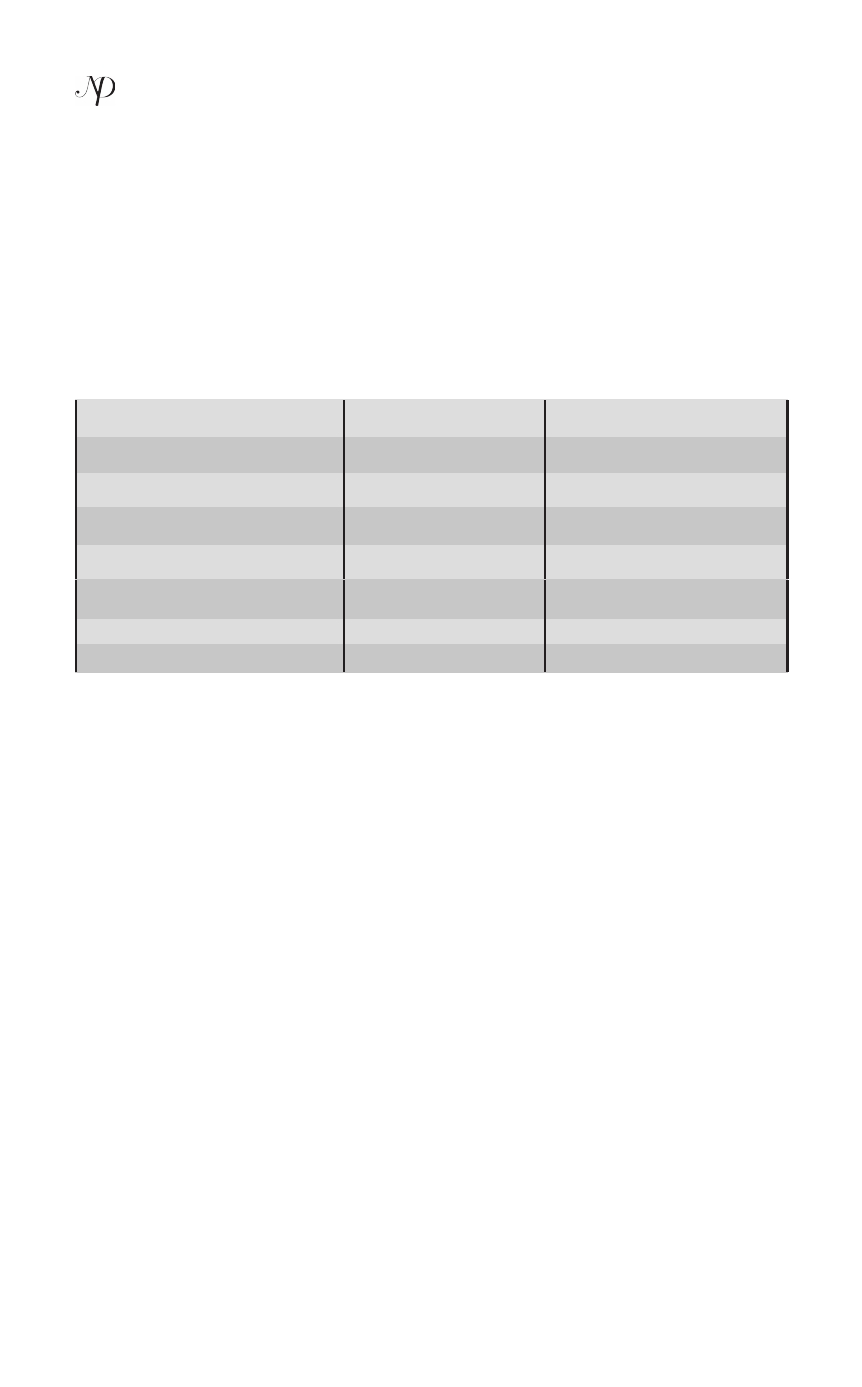
contaminated soils. Compared to control soils organic carbon (0.23±0.22) and
phosphorous content (0.41±3.29) decreased in contaminate soils (0.13±0.35)
(0.33±0.15) but nitrogen (55±2.26) and potassium contents (65±1.27) increased
(68±1.20) (72±0.03) (Table 1).
Physical and chemical properties of soil
table 1: Physical and chemical properties of soil
Parameters
control Soil
contaminated soil
Soil Texture
Sandy loam
Sandy loam
Soil PH
5.7±0.05
5.2±0.08
Organic Carbon (gm/kg)
0.23±0.22
0.13±0.35
Available N (gm/kg)
55±2.26
68±1.20
Available P (gm/kg)
0.41±3.29
0.33±0.15
Available K (gm/kg)
65±1.27
72±0.03
Total Pb (mg/kg)
1.27 mg/kg
164.5 mg/kg
Effect of Pb on chlorophyll content
Chlorophyll content in plants is important factor in determining photosynthetic
activity. In our present study, heavy metal Pb decreased chlorophyll content
gradually by increased proportionality of metal concentration. Pb significantly
effected phototosynthetic pigments (chlorophyll a and chlorophyll b) in weeds.
Chlorophyll-acontentwasdecreasedfrom62%to34%inallplantswhencompared
to controls with high decline in Anisomilius molabarica (62%), Ipomea purpurea
(52%) and Eichornia fasculata (52%) followed by Parthenium histocarpus (47%),
Calotropis procera (34% ) and Bromus tectorum (40%) in comparision with
controls (Fig. 1). Chlorophyll-b decreased from 81% ( Bromus tectorum ) to 36%
( Calotropis procera ) in all plants followed by Ipomea purpurea (76%), Anisomilius
molabarica (75%), Parthenium histocarpus (63%) and Eichornia fasculata (56%)
in comparision with controls (Fig. 2). The content of chlorophylls a, b chlorophyll
was significantly decreased corroborates with findings of Salvinia minima wild by
Jeffrey l. Gardner and Safaa h. al-hamdani (1997) and Zengin and Munzuroglu
(2005) in phaseolus vulgaris L due to Pb stress. Decreased chlorophyll content
associated with heavy metal stress may be the result of inhibition of the enzymes
responsible for chlorophyll biosynthesis.
16
Int. J. Bioinformatics and Biological Sci.: v.2 n.1&2, p. 13-22. March & June 2014