Kumar and Saritha
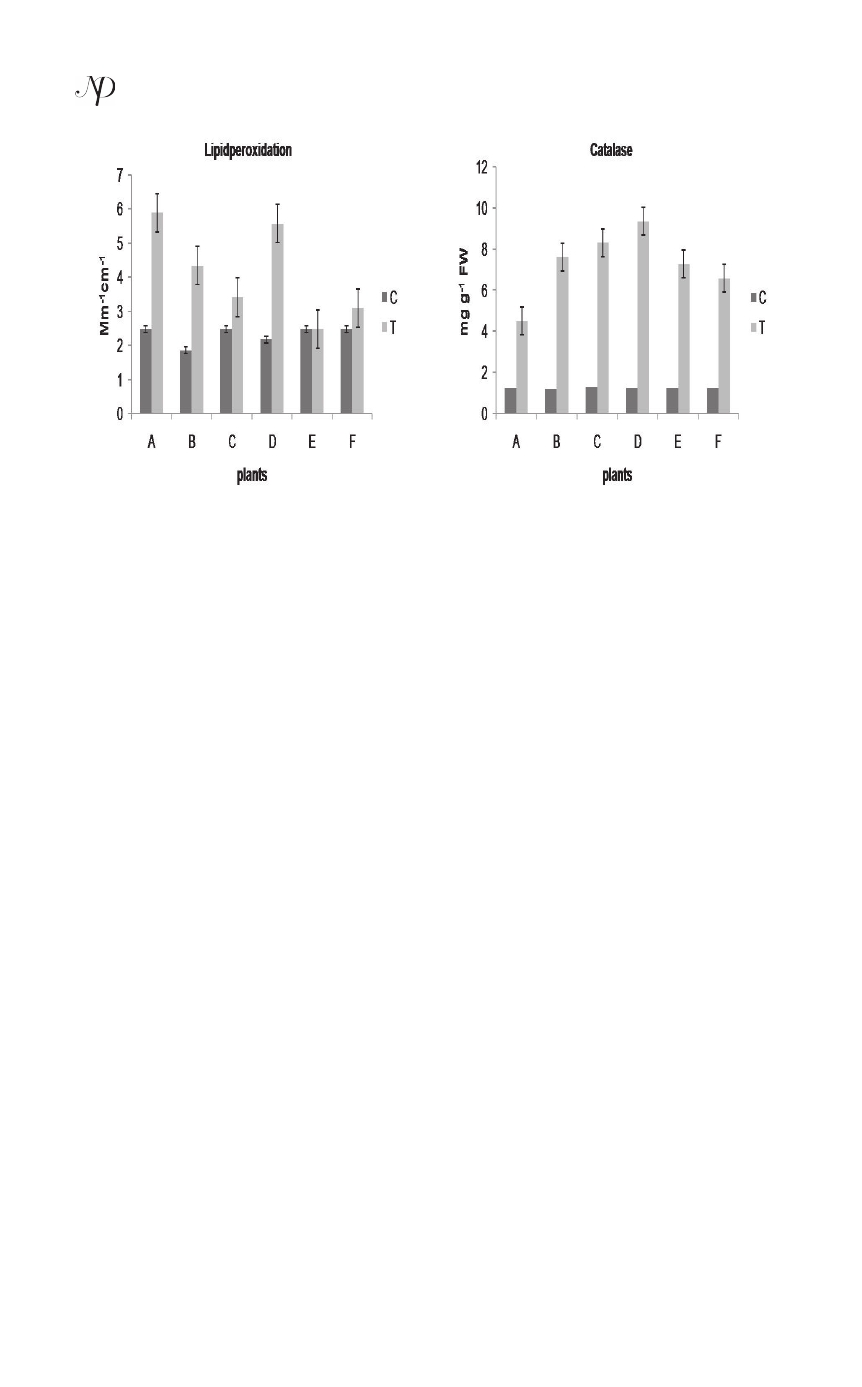
fig. 3 and 4: Effects of Pb concentration on catalase activity, and
Phenylalanineammonialyase activity
Effect of Pb on Phenylalanineammonialyase activity
Increased Phenylalanineammonialyase activity could be a response to the
cellular damage provoked by higher Pb concentrations. Unsurprisingly,
phenylalanineammonialyasewasmoreactivatedbythepresenceoflead.Significant
increase was observed by 20% to 48% in all the plants in compared with controls.
Parthenium histocarpus showed highest increase in phenylalanineammonialyase
activity by 48% and lowest is seen in Ipomea purpurea (20%) followed by
Anisomilius molabarica (46%), Calotropis procera (42%), Eichornia fasculata
(37%) and Bromus tectorum (36%) compared with controls (Fig. 5). Overall
phenylalanineammonialyase activity was elevated in all plants. Activation of PAL
and lignin content increase is considered as common plant responses to various
stress factors, including heavy metals (Yang et al., 2007; Kovacik and Klejdus
2008). So it seems that in weed plants the increase of PAL activity is efficient in
catalyzing deamination reaction of the amino acid phenyl alanine at the gateway
from the primary metabolism into the important secondary phenylpropanoid /
phenolic metabolism in plants (Hahlbrock and Scheel, 1989). Overall, Pb had
the high inducement on Phenylalanineammonialyase. Similar observations were
recorded in previous study under Nacl stress according to Simaei et al., (2012) in
Soybean Plants, rice under cadmium toxicity (Ting Hsu and Huei Kao, 2004) and
Luffa cylindrical under lead toxicity (Jiang et al., 2010).
Effect of Pb on Ascorbic acid oxidase activity
In our experiment, the exposure of plants to lead doses resulted, in decreased
ascorbicacidoxidase content from 68% to 6% in all the plants compared with
18
Int. J. Bioinformatics and Biological Sci.: v.2 n.1&2, p. 13-22. March & June 2014