Kapoor et al.
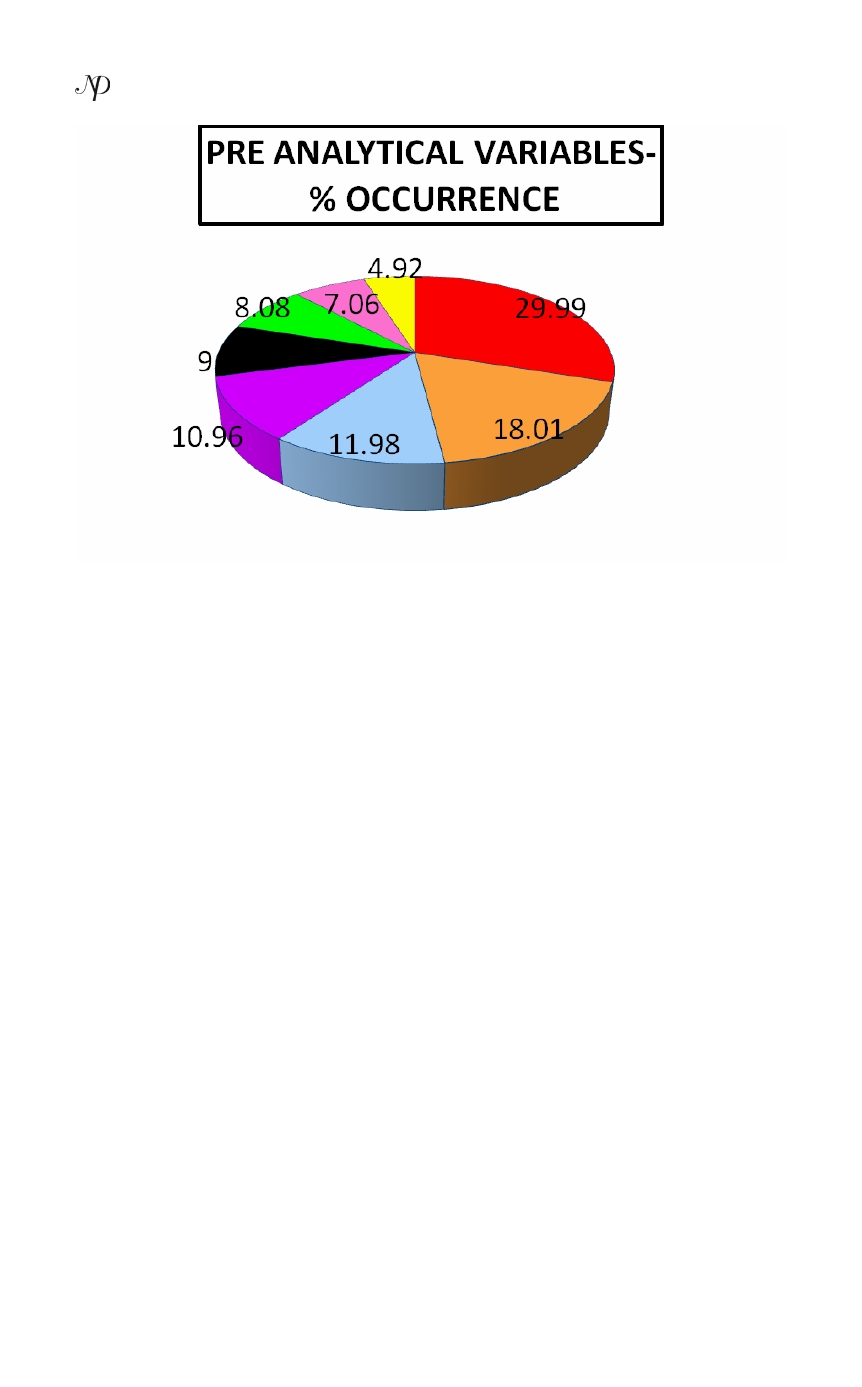
Figure 2. Hemolysis (29.99%) Clotted blood (18.01%) Wrong tube (11.98%) Wrong
preservative (10.96 %) Wrong timing (9%) Wrong volume (8.08%) Mislabelled
sample (7.06%) Lipemia (4.92%)
Discussion
With the advent of automation, errors have decreased considerably since past
few years in Clinical Chemistry Laboratory. This decrease in errors has largely
been seen in the analytical phase and consequently pre-analytical phase is the
one in which most of the errors are expected to occur now (Lippi G et al , 2011) .
Pre-analytical phase being mainly manually operated is subjected to many errors.
These errors may yield erroneous results, which may even be life threatening for
the patients and hence, the need to identify them and minimise them exists (Lippi
G et al , 2006) . Therefore, it becomes imperative for the laboratory personnel to
minimise these errors in order to ensure accurate and precise report generation
from the Clinical Chemistry Laboratory. So, in this study after the collection of
data the pre-analytical variables responsible were identified and were categorized.
Each variable was then considered separately and analysed for causes leading to
these errors after which measures were suggested to the laboratory personnel to
avoid them (Prabhat kumar Nigam, 2011). Thus, individual consideration of these
factors was done and proactive steps to avoid them were suggested.
In our study haemolysis was found to be the commonest cause of sample rejection.
These findings were similar to the study done (Ashakumari S et al , 2011). The
possible factors which were identified for in vitro haemolysis in the samples
132
International Journal of Bioinformatics and Biological Sciences : v.2 n.3&4. Dec. 2014