Computational and evolutionary insights into anthocyanin biosynthesis
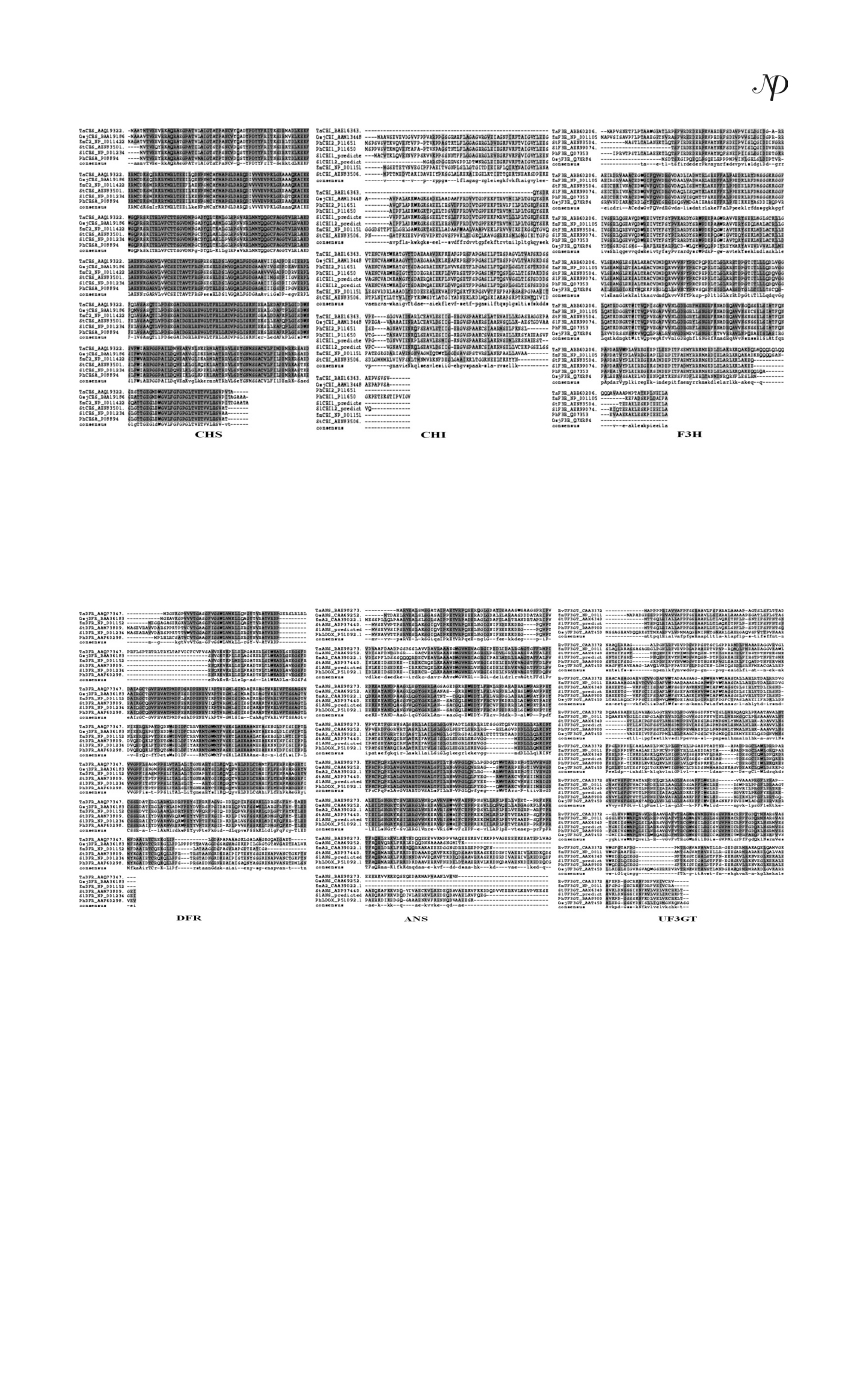
Figure 2a. Multiple sequence alignment showing conserved amino acid sequences
of anthocyanin pathway genes- CHS, CHI and F3H within solanaceae and poaceae
families. The color code indicates Green - conserved, Yellow- identical, Cyan- similar,
and White- different domains.
Figure 2b. Multiple sequence alignment showing conserved amino acid sequences of
anthocyanin pathway genes- DFR, ANS and UFGT within solanaceae and poaceae.
Represented color of the residues is: Green - conserved, Yellow- identical, Cyan-
similar, and White- different domains.
Solanaceae and poaceae families were chosen to perform comparative analysis
because some of the cultivated species in both families have lost anthocyanins
from their wild ancestors though both families are scientifically and economically
very important. Furthermore, minimum three species were chosen to represent
each family because one species to represent a family might lead to error in
sampling even though nucleotide sequence of a gene between different species
within a family is highly conserved. Orthologs of ANS and UF3GT were taken
International Journal of Bioinformatics and Biological Sciences : v.2 n.3&4. Dec. 2014
173