Fermented Foods of Nagaland
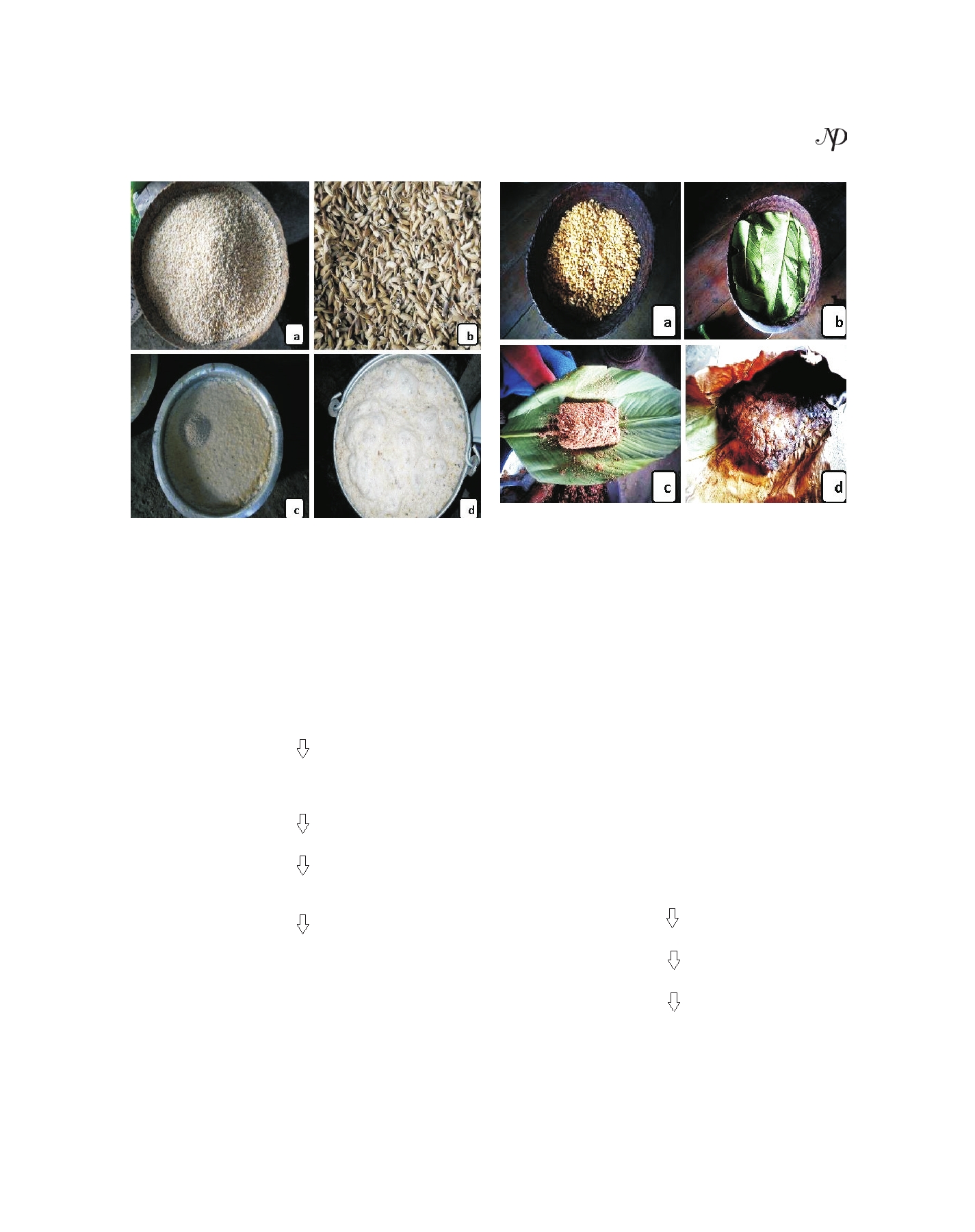
Figure 2b. Different stages of Axone/Akhuni preparation.
Figure 1b: Steps involves in Zutho preparation. a. Polished
(a) The boiled soyabean seeds,
rice, b. Unhulled germinated rice grains, c. mixed powder of
(b) The paste is wraped in leaves,
a & b under fermentation, d. Zutho ready to serve.
(c) The semi-fermented product, (d) The matured Axone .
for the fermentation to complete. Most people go for
by the Ao Naga tribe. Its preparation involves the
longer fermentation to reduce the strong smell of the
packing of the Colocassia leaves in gunny bags or
fermented product. In this, the fermented soybean is
wrapped in banana leaves for about 3-4 days till it
made into a paste and wrapped in banana leaves or
becomes yellow. It is then, pounded into pastes which
Phrynium pubinerve leaves and kept for another 3-4
are made into cakes. These cakes are then wrapped in
days near the fire place (Fig. 2a, b).
banana leaves and kept under the ash near the fire
Soybean seeds boiled (3-4 hr in pot or 1 hr in pressure
place or exposed to the sunlight till it is completely
cooker)
dried and becomes hard (Fig. 3a, b).
Hungrii : ‘ Hungrii’ is a fermented product made
Excess water drained off and packed in bamboo basket
lined with leaves of Ficus spp. at bottom as well as
from the leaves of Brassica species. It is prepared
covered at top
popularly by the ‘ Rengma’ Naga tribe. Fresh mustard
leaves are taken and sun dried. A pit is dug out and
Keep near the fire place for 3-4 days
banana leaves are laid at the bottom of the pit. The
dried mustard leaves are then wrapped in the banana
Made into a paste, wrap and keep near the fire place
Fresh leaves ( Colocassia sp . leaves) packed in gunny bags
again for about 3-4 days
or banana leaves for 3-4 days.
Axone
Cakes made out of the paste of the leaves
Figure 2a: Flow chart for preparation of Axone
Sun dried or kept over fire place till completely dry.
Vegetable based fermented foods
Anishi.
(i) Anishi : ‘ Anishi’ is a fermented cake made from
leaves of Colocassia species. It is exclusively prepared
Figure 3a: Flow chart for preparation of Anishi
89