‘Working and Earning Status versus Domestic Responsibilities
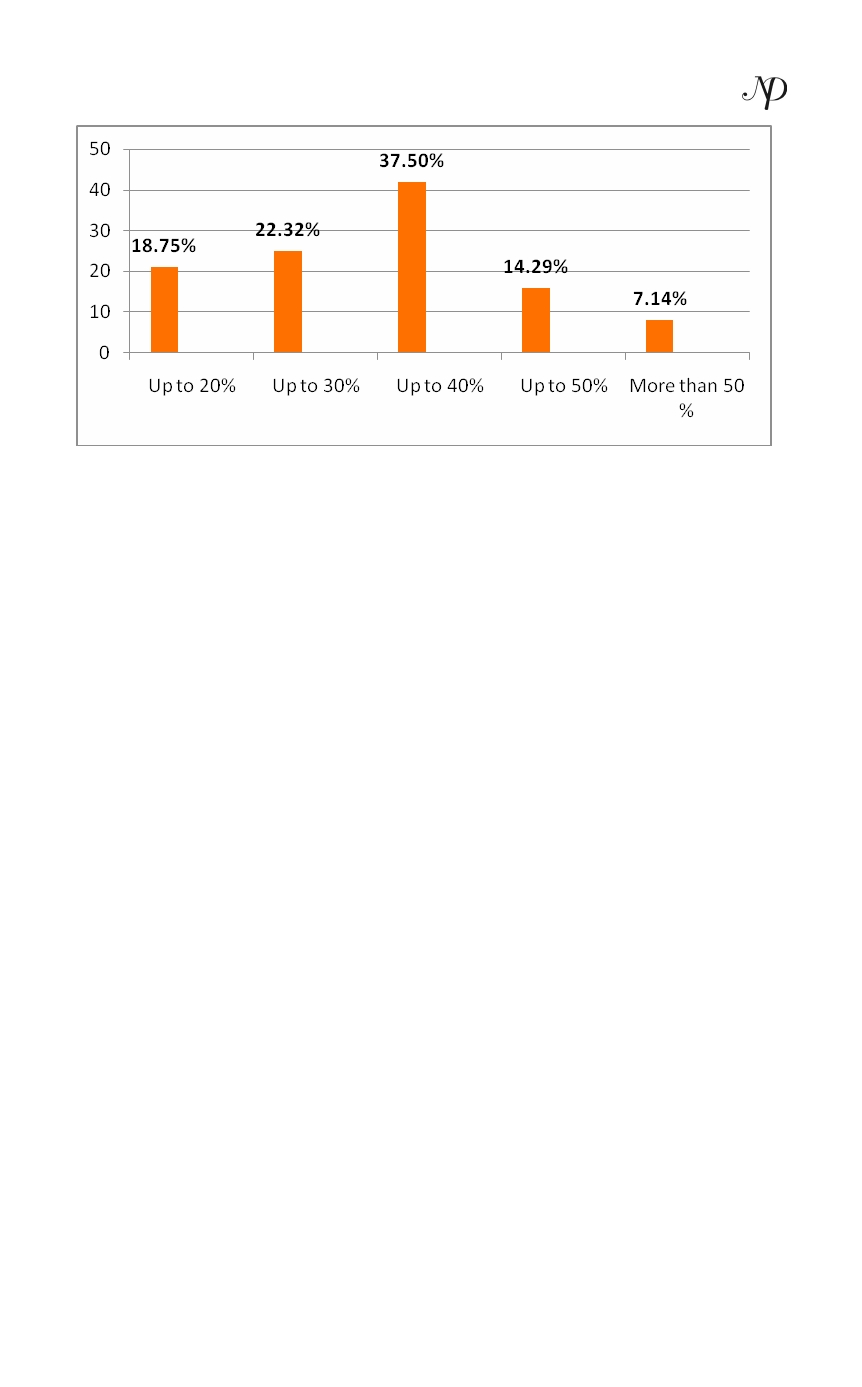
Figure 2. Contribution of Women to Family Income
Conclusion
The present research showed that in spite of the working and earning status of
women the everyday domestic responsibilities of family living were not shared on
fair basis by men and women. Some of the backbreaking ‘everyday family chores’
were not at all done by men in the sample population. Other low status or tedious
domestic chores were done by a negligent percentage of men. On the other hand,
as a fact the women did not desert even a single ‘everyday family chore’. Only
four chores were considered as responsibility of both men and women out of the
42 ‘everyday family chores’ by nearly half of the respondents. Women were found
assuming responsibility for more than 52% of the ‘everyday family chores’. Data
reveal that more than 21% women earned equal income for the family as their
male counterparts while nearly 60% women were earning 40% and more monthly
income for the family. The statistical estimation showed a highly significant
difference in the ‘Everyday family chores’ done and its responsibility assumed
by women and men, even though the women are working outside home to earn a
significant income for the family.
This inequality in work distribution and shouldering responsibility could be an
outcome of the prevalent patriarchal or male dominant family system in India.
Nashik being a religious town seems to follow the traditional role-patterns of
women and men even though due to the economic reasons women have taken up
the additional function of earning for the family.
References
Cohen, D. and Crabtree, B. (2006) ‘Qualitative Research Guidelines Project’. http://www.
qualres.org/HomeStra-3813.html
401