Study on access to change agents by the farm women engaged in paddy
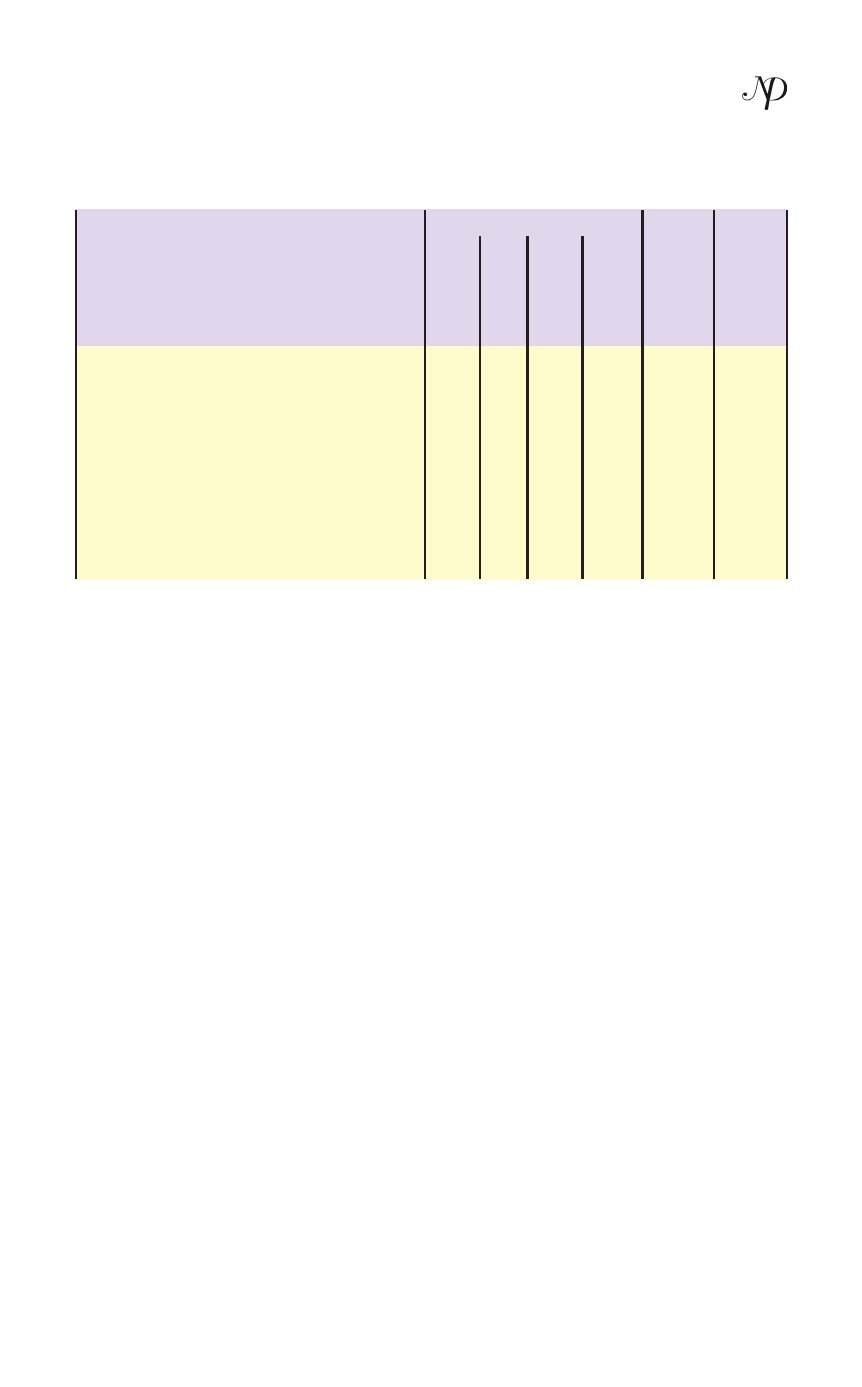
Table 1. Extent/frequency of contact of respondents with change agents
n=250
Extent of contact
Total
Change agents
Rank
score
Input Dealers
209
14
27
0
682
I
Krishi Prajukti Sahayak (KPS)
34
10
34
172
156
II
Regional Rural Banks/Co-Operatives
8
25
55
162
129
III
Krishi Vigyan Kendra (KVK)/Palli
11
17
22
200
89
IV
Siksha Bhavana (PSB) Personnel
Non-Government Organisations (NGOs)
5
4
54
187
72
V
Agricultural Development Officers
4
8
34
204
62
VI
(ADOs)
Scientists
3
10
6
0
35
VII
Note: Regularly (3), Often (2), Sometimes (1), Never (0)
Correlation coefficient between extent of contact with change agents and various
socio-economic attributes of the respondents in paddy cultivation is presented in
Table 2. The results showed that contact with input agencies correlates significantly
but negatively with socio-economic trait like education and husband’s education,
which indicated that respondents and their husbands with low level of education
have contacted more with input dealers or vice-versa. Further, respondents with
low family income found to be significantly and negatively correlated with the
extent of contact with input dealers. So, it can be concluded that farm women with
a high level of family income had less contact with input dealers. Socio-economic
variable like owner of the tree plant correlates significantly and negatively with
this extension contact.
The correlation coefficient between extent of contact with KPS personnel and
level of education of the respondents and their husbands has elucidated strong and
positive association. It implies that educated farm women and the women who
have educated husbands have contacted more with extension personnel. Number
of children correlates negatively but significantly with this variable indicating the
fact that respondents with fewer children have contacted more with KPS and vice
versa.
473